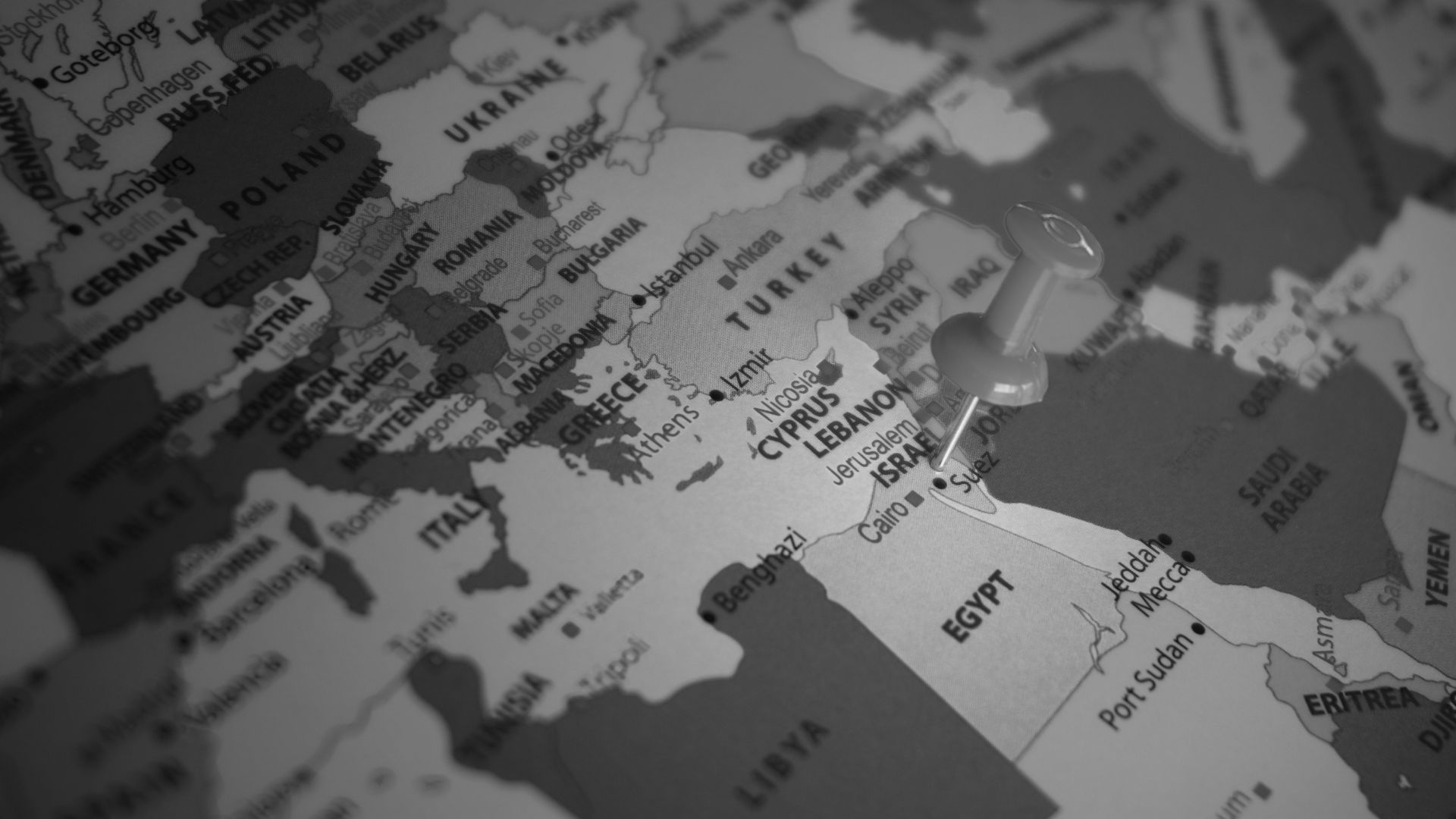
Terror Groups and Rogue States
Terror groups and rogue states pose significant and diverse threats to U.S. national security and the safety of its allies, affecting both local and g…
Read

POLICY CIRCLE BRIEF
The United States has long been called the “indispensable nation” or the “world’s policeman.” Since World War II, America has promoted democracy and prosperity and opposed dictatorships and human rights abuses worldwide through its economic, diplomatic, and military engagement. The U.S. has served as a champion of universal freedom and human rights, a pillar of international security and order, and a deterrent to the aggression of rogue regimes.
Yet, in the post-Cold War era, the question of what role the U.S. should play on the world stage and the extent to which the U.S. can serve as “the world’s policeman” continues to be debated and has become a central component in conversations surrounding military spending and foreign policy.
In his 2014 book America in Retreat, journalist Bret Stephens warned that when the United States pulls back from global leadership, geopolitical instability can increase as rival powers test boundaries and attempt to fill the vacuum. Debates over U.S. engagement in the Middle East today reflect many of the questions Stephens raised about the risks and trade-offs of American retrenchment.
See this video for an overview of America as the world’s policeman (5 min):
Foreign policy development is influenced by domestic events, the policies or behavior of other nations, or plans to advance specific geopolitical goals. Diplomacy is the primary tool of foreign policy. War, alliances, and international trade may all be manifestations of it or consequences of its failure.
In recent years, turmoil has rocked the Middle East in the form of increased violence and volatility in the aftermath of the Arab Spring uprisings and the proliferation of Islamist-extremist terrorist groups with radical anti-Western ideologies.
The United States has long maintained a significant security presence in the Middle East, and countries such as Israel, Egypt, and Jordan have historically been among the largest recipients of U.S. military assistance. In recent years, however, global conflicts, particularly Russia’s invasion of Ukraine, have shifted the distribution of U.S. military aid to other regions.
U.S. foreign policy in the Middle East was relatively limited until the mid-1900s. Before this time, European powers built relations in the Middle East, mainly through the League of Nations after World War I. During the 1950s, the Cold War heightened concern about the Middle East.
Political instability in the Middle East and the global importance of the region’s oil resources have long shaped relations with the United States. In 1980, President Jimmy Carter announced what became known as the Carter Doctrine, declaring that any attempt by an outside power to gain control of the Persian Gulf would be considered a threat to vital U.S. interests and could be met with military force.
The doctrine emerged during the energy crises of the 1970s and reflected concerns about protecting global access to Middle Eastern oil. Over time, it became a guiding principle for U.S. strategy in the region, shaping military deployments, alliances, and interventions. Some analysts argue that the doctrine no longer reflects current energy realities or geopolitical priorities.
Analysts suggest that rather than focusing on protecting oil supplies, U.S. strategy could center on safeguarding global trade routes. The Strait of Hormuz is of particular concern as a significant portion of the world’s oil shipments passes through it. Multinational maritime cooperation is aimed at keeping this critical shipping lane open.
U.S. engagement in the Middle East has evolved over decades through a complex mix of diplomatic partnerships, security cooperation, economic interests, and responses to regional conflicts. Relations vary widely from country to country, shaped by factors such as nuclear capabilities, energy resources, counterterrorism efforts, regional rivalries, and humanitarian concerns.
The following overview highlights key moments and dynamics that have influenced U.S. relations with several countries across the region and illustrates how historical events continue to shape today’s foreign policy discussions.
The region is often discussed through several geographic groupings: the Levant along the eastern Mediterranean, the Gulf States bordering the Persian Gulf, Iran as a major regional power, and the Arabian Peninsula and neighboring areas whose stability affects global trade routes and regional security.
There are three waterways that shape Middle East geopolitics:
The Levant refers to the eastern Mediterranean area of the Middle East and includes Israel, Lebanon, Syria, Jordan, and the Palestinian Territories. For centuries, this region has served as a crossroads of trade, culture, and religion linking Europe, Asia, and Africa.
Long-standing political disputes, civil wars, and competing regional interests, including the influence of external actors such as Iran, have made the region a focal point of diplomatic efforts and security concerns. Developments in the Levant often have ripple effects across the broader Middle East, shaping regional alliances, humanitarian conditions, and international policy debates.
The conflict between Jews and Arabs is not new and reflects a long and complex history marked by periods of both coexistence and conflict. Relations date back to the early centuries of Islam, when Jewish communities lived under Muslim rule with varying degrees of tolerance and, at times, persecution. In some periods, such as in parts of medieval Spain, Jews held prominent roles, while in others tensions led to violence, including events like the 1929 Hebron massacre. These dynamics intensified in the 20th century with the end of colonial rule and competing national movements.
After World War I, the League of Nations granted Great Britain the Mandate for Palestine, drawing on the 1917 Balfour Declaration that supported the establishment of “a national home for the Jewish people” in the region.
Following World War II, the United Nations proposed dividing the territory into separate Jewish and Arab states under Resolution 181. In May 1948, the State of Israel declared independence, and the United States quickly recognized the new nation. The declaration triggered the Arab-Israeli War of 1948 and decades of conflict between Israel and neighboring Arab states. Major wars and confrontations followed, including the Six Day War in 1967 and the Yom Kippur War in 1973. Over time, the United States developed a close partnership with Israel, providing diplomatic support, military assistance, and cooperation on security and technology, while also maintaining relationships with Arab states across the region.
Since the 1990s, the United States has been involved in efforts to facilitate a negotiated solution to the Israeli-Palestinian conflict. Agreements reached in the Oslo Accords led Israel and the Palestine Liberation Organization to establish the Palestinian Authority, which exercised limited self-governance in parts of the West Bank.
In 2007, the militant group Hamas took control of the Gaza Strip, a densely populated coastal territory along the Mediterranean, after winning elections and fighting with rival Palestinian factions. Tensions between Israel and Hamas have led to repeated rounds of violence over the years. See The Policy Circle’s Terror Groups and Rogue Regimes Insight.
The following video dives deeper into the relationship between Israel and Palestine up to 2021 (10 minutes):
On October 7, 2023, Hamas launched a large-scale attack on Israel from Gaza, brutally killing 1000 civilians and taking 323 hostages. Israel responded with a major military campaign in Gaza aimed at dismantling Hamas’s military capabilities. See The Free Press coverage of the attacks and life in Israel.
Diplomatic efforts involving the United States and regional mediators have sought to secure the release of hostages and pause the fighting. In recent negotiations, temporary ceasefires have been reached that allowed for the release of some hostages and the delivery of humanitarian aid, though tensions remain high and the long-term political future of Gaza and Israeli-Palestinian relations remains uncertain.
The U.S. established diplomatic relations in Lebanon in the early 1800s when Lebanon was part of the Ottoman Empire. American officials were evacuated in 1917 when the Ottoman Empire fell. Relations were reestablished after World War I and strengthened in 1944 following official recognition of Lebanon’s independence.
By the 1960s, the U.S. Embassy in Beirut was one of the largest in the Middle East and served as headquarters for a number of U.S. agencies in the region. This changed during Lebanon’s civil war, which was driven in part by tensions between Muslim and Christian communities, rooted in a political system that distributed power along religious lines. This system gave key leadership roles to Maronite Christians and initially favored Christians in parliament. By the 1970s, demographic shifts led to a larger Muslim population, prompting demands for greater political representation, while many Christian groups sought to preserve the existing balance. As tensions escalated, militias formed along sectarian lines, Christian, Sunni, Shia, and Druze, turning political disputes into widespread violence. Fighting was especially intense in Beirut, which became divided between factions, reflecting the broader fragmentation of the country.
The civil war lasted from 1975 to 1990, when Israel invaded Lebanon to pursue a Palestinian terrorist group, Abu Nidal aka Fatha, opposed to the existence of Israel, and who attempted to assassinate the Israeli ambassador to Britain in 1982. In 1983, over 200 American marines, sailors, and soldiers were killed by a suicide bomber, and two attacks on the U.S. Embassy in 1983 and 1984 forced it to close. It reopened in 1990.
During the 1980s wars, a guerrilla group evolved into a major political party and military force known today as Hezbollah, which receives significant funding from Iran. Hezbollah was able to leverage its military assets, political influence, and popularity from the institutions and services it provides to integrate itself in the country.
Another thread in Lebanon’s complicated history is the Syrian occupation of Lebanon, which began on May 31, 1976, during the Lebanese Civil War, and concluded on April 30, 2005. This period saw significant Syrian military and political influence over Lebanon, impacting its governance and society. The occupation ended due to intense international pressure and the assassination of former Lebanese Prime Minister Rafic Hariri in 2005.
Lebanon has faced severe political and economic instability in recent years. Beginning in 2019, the country experienced a major financial crisis marked by currency collapse, banking failures, and widespread protests against government corruption. The situation was compounded by the 2020 Beirut port explosion, which caused significant loss of life and further weakened public trust in state institutions.
Regional tensions have also intensified since the October 7, 2023, attacks by Hamas on Israel. Since then, cross-border exchanges of fire between Israel and Hezbollah along Israel’s northern border have raised concerns about the possibility of a broader regional conflict involving Iran and its allied groups.
Because Hezbollah receives funding, weapons, and training from Iran, tensions along the Israel-Lebanon border are often viewed as part of the broader regional rivalry between Iran and Israel.
Syria has been on the U.S. list of state sponsors of terrorism since 1979 due to concerns about its support for militant groups, its past occupation of Lebanon, and its pursuit of missile and weapons programs. In 2011, protests against the government of President Bashar al-Assad were met with a violent crackdown, triggering a civil war that drew in regional and international actors. The conflict intensified in 2014 with the rise of ISIS (Islamic State of Iraq and Syria), a militant terrorist organization that emerged from al-Qaeda in Iraq, prompting a U.S.-led international coalition to conduct military operations aimed at defeating the group.
The conflict entered a new phase in December 2024 when Bashar al-Assad’s government collapsed after more than five decades of rule by the Assad family. A transitional government led by Ahmed Al Sharaa assumed authority and outlined a multi-year transition intended to rebuild state institutions and stabilize the country after more than a decade of war. Although some international sanctions have been eased to encourage economic recovery and investment, the country remains fragile.
An expert from The Council on Foreign Relations talked about the past and future of Syria (7 minutes):
According to the United Nations, millions of Syrians remain displaced, with more than 7 million internally displaced and over 6 million refugees still living in neighboring countries. Security challenges persist as government forces seek to extend control across the country, while regional actors, including Turkey and Israel, continue to operate in parts of Syria due to security concerns.
The United States has provided humanitarian assistance and supported diplomatic engagement during the transition, while reassessing its military presence in the country following the defeat of most territorial control by ISIS.
Jordan has long been considered one of the more stable countries in the Levant and an important partner of the United States. The country maintains diplomatic relations with Israel and has often served as a moderating voice in regional diplomacy. Jordan also hosts millions of refugees from neighboring conflicts, placing significant pressure on its economy and public services. Its strategic location between Israel, Syria, Iraq, and Saudi Arabia makes it a key partner in regional security and humanitarian efforts.
The Gulf States refer to a group of countries located along the Arabian Peninsula and the Persian Gulf that share geographic proximity, economic ties, and strategic interests in regional security and energy production. In 1981, six of these countries, Saudi Arabia, United Arab Emirates, Qatar, Kuwait, Bahrain, and Oman, formed the Gulf Cooperation Council (GCC). The council was created in part as a response to regional instability following the Iranian Revolution and the Iran–Iraq War, a prolonged and destructive conflict (1980–1988) that raised fears of regional spillover, threats to Gulf oil infrastructure, and the potential for either Iran or Iraq to dominate the region.
The GCC aims to strengthen economic, political, and security cooperation among its members. Over time, the organization has pursued initiatives to coordinate defense policies, promote economic integration, and facilitate trade and investment across member states. The Gulf States play an important role in global energy markets and international trade, and many maintain close security partnerships with the United States.
The Organization of the Petroleum Exporting Countries (OPEC) is a separate but closely related cartel that shapes the global energy landscape. Founded in 1960, it brings together major oil-producing countries, many of them in or near the Gulf region, to coordinate production policies and influence global oil prices. By managing output levels, OPEC seeks to ensure stable markets, reliable energy supplies, and fair returns for producers.
Because several Gulf States, including Saudi Arabia and Kuwait, are key members, OPEC reinforces the region’s outsized role in global energy markets. In recent years, the group has expanded its influence through cooperation with non-member producers (known as OPEC+), working to stabilize oil markets amid shifting demand, geopolitical tensions, and the global transition toward alternative energy sources. Its influence has been declining in recent years, so far culminating in the United Arab Emirates’ departure in May 2026.
The United States established close ties with Saudi Arabia (a kingdom ruled by the Saud family) after American companies discovered large oil reserves there in 1938 and created the Arabian American Oil Company (Aramco). Over time, Saudi Arabia purchased the company’s shares, and it has been fully owned by the Saudi government since 1980. Oil exports made Saudi Arabia one of the world’s most important energy suppliers and a key economic partner of the United States. Despite periods of tension, including the oil embargo imposed by Arab oil producers in the 1970s, Saudi Arabia remained an important U.S. partner in the region, particularly after Iran’s 1979 Islamic Revolution. In 1990, after Iraq invaded Kuwait, Saudi Arabia’s King Fahd bin Abdulaziz Al Saud allowed U.S. forces to deploy in the kingdom as part of the coalition that expelled Iraqi troops.
Saudi Arabia has also been one of the largest recipients of U.S. defense sales and security cooperation. The relationship has faced criticism at times, including concerns about human rights and Saudi Arabia’s involvement in Yemen’s civil war beginning in 2015. Additional scrutiny followed the 2018 killing of journalist Jamal Khashoggi, which U.S. intelligence agencies concluded was approved by senior Saudi officials. At the same time, Saudi Arabia shapes the region’s balance of power, particularly through its rivalry with Iran for political and strategic influence.
In recent years, Saudi leaders, particularly Crown Prince Mohammed bin Salman, have pursued economic reforms and diversification efforts under a national development plan known as Vision 2030, which aims to reduce the country’s dependence on oil and expand sectors such as technology, tourism, and global investment. These goals have encouraged efforts to reduce regional tensions and promote stability, including diplomatic engagement with neighboring countries. Saudi Arabia’s evolving strategy reflects both its role as a major energy producer and its ambition to position itself as a leading economic and political power in the Middle East.
The United Arab Emirates (UAE) is a federation of seven emirates, each an individual state or territory ruled by its own hereditary leader, formed in 1971 along the southeastern coast of the Arabian Peninsula. The United States established diplomatic relations with the UAE shortly after its founding, and the two countries have developed close economic and security ties. The UAE is a major trading partner of the United States in the Middle East and hosts U.S. military forces at several bases, which support regional security and maritime operations.
In recent years, the UAE has pursued an active diplomatic and economic role in the region. In 2020, it became one of the first Arab states in decades to normalize relations with Israel through the Abraham Accords, a U.S.-supported agreement aimed at expanding economic cooperation and reducing regional tensions.
The UAE has also invested heavily in sectors such as finance, technology, logistics, and renewable energy, both domestically and abroad, including significant investments in the United States, positioning cities like Dubai and Abu Dhabi as global commercial hubs while continuing to play a strategic role in Middle Eastern diplomacy and security.
The Gulf states of Kuwait and Qatar play important roles in regional security and U.S. strategy in the Middle East. Kuwait gained international attention in 1990 when Iraqi leader Saddam Hussein ordered the invasion of the country, triggering the Gulf War. A U.S.-led coalition that included countries from Europe, the Middle East, and Asia launched Operation Desert Storm in 1991, liberating Kuwait and reinforcing U.S. security commitments in the Persian Gulf.
Since then, Kuwait has maintained close defense cooperation with the United States and has served as an important logistics hub for U.S. military operations in the region.
Qatar has also become a key U.S. partner and hosts one of the largest American military installations in the Middle East. In addition to security cooperation, Qatar has played an active diplomatic role in regional conflicts and negotiations, including mediation efforts involving Afghanistan and recent negotiations related to the Israel–Hamas conflict. At the same time, Qatar’s hosting of Hamas political leaders in Doha—reportedly living in relative comfort—has drawn criticism, who argue it complicates the country’s dual role as both a mediator and a partner to the United States.
Bahrain is a small island state located off the eastern coast of Saudi Arabia and is a founding member of the Gulf Cooperation Council. Bahrain has long been an important security partner of the United States and hosts the headquarters of the U.S. Fifth Fleet, which oversees U.S. naval operations in the Persian Gulf, Red Sea, and parts of the Indian Ocean. Bahrain has faced internal political tensions in recent decades, including protests during the Arab Spring in 2011, but it remains a key hub for regional security cooperation and maritime operations aimed at protecting international shipping routes.
Oman occupies a strategic position at the southeastern edge of the Arabian Peninsula, near the entrance to the Strait of Hormuz, one of the world’s most important energy shipping routes. A founding member of the Gulf Cooperation Council, Oman has historically pursued an independent and neutral foreign policy compared with other Gulf states. The country has often served as a diplomatic intermediary in regional disputes, including facilitating discussions between Iran and Western governments. , particularly concerning nuclear negotiations and regional stability. Omani officials have facilitated multiple rounds of talks between American and Iranian representatives, with discussions occurring in Muscat, Geneva, and other locations. These diplomatic efforts emphasize regional dialogue and stability.
Iran, historically known as Persia, is one of the world’s oldest continuous civilizations, with a long history of empire, trade, and cultural influence across the Middle East and beyond.
In the early 20th century, Iran was ruled by the Qajar dynasty, whose weakened authority left the country increasingly influenced by foreign powers, particularly Britain and Russia, due to its strategic location and oil resources. In 1925, Reza Khan overthrew the Qajar dynasty and established the Pahlavi dynasty, becoming Reza Shah and pursuing efforts to centralize authority and modernize the country.
During World War II, British and Soviet troops occupied Iran in the 1940s to secure supply routes and protect oil interests, forcing Reza Shah to abdicate in favor of his son, Mohammad Reza Pahlavi. After the war, political tensions grew within the country. A communist plot to overthrow the Shah failed in 1949 and was followed by increasing friction between him and the nationalist Prime Minister, Mohammad Mossadeq.
In 1951, Mossadeq moved to nationalize Iran’s oil industry, previously controlled by British interests, escalating tensions with Western powers. After the Shah attempted to dismiss him, Mossadeq remained in power and the Shah fled the country. Amid Cold War concerns about a potential communist shift, a joint British-American operation in 1953 helped overthrow Mossadeq and restore the Shah to power.
Widespread protests in the late 1970s, driven by opposition to the Shah’s authoritarian rule, economic inequality, and resentment of Western influence, culminated in the 1979 Iranian Revolution. Demonstrators, including students, religious leaders, and political activists, called for greater political freedom, an end to corruption, and a return to governance rooted in Islamic principles. As unrest intensified, Shah Mohammad Reza Pahlavi fled Iran in January 1979.
Ayatollah Ruhollah Khomeini, an exiled religious leader, returned to Iran and established an Islamic Republic based on a strict interpretation of Sharia (Islamic law). Following the revolution, Iran’s new leadership consolidated power and explicitly adopted an anti-Western posture and a hostile stance toward the United States, frequently declaring “Death to America.”
In November 1979, amid demands that the United States return the Shah to Iran for trial, a group of Iranian students seized the U.S. Embassy in Tehran and took 52 American diplomats and citizens hostage. The crisis lasted 444 days and became a defining moment in U.S.-Iran relations. The United States froze Iranian assets and severed diplomatic ties.
The hostage crisis dominated the presidency of Jimmy Carter, contributing to a perception of weakened U.S. influence abroad and playing a significant role in domestic political pressures during the 1980 election. Relations between the two countries have remained strained since, shaped by ongoing disputes over regional influence, sanctions, and concerns about Iran’s nuclear program.
Iran’s pursuit of nuclear capabilities and its regional posture were shaped in part by earlier conflicts, particularly the Iran–Iraq War (1980–1988). The war, which began when Iraq invaded Iran shortly after the 1979 revolution, lasted eight years and resulted in heavy casualties on both sides. The conflict included the use of chemical weapons by Iraq and reinforced Iran’s focus on deterrence, self-reliance, and the development of advanced military and strategic capabilities.
Iran’s nuclear program itself dates back to the 1950s under the U.S.-supported Atoms for Peace initiative, but it expanded more significantly in the 1990s and 2000s. International concerns grew as Iran developed uranium enrichment capabilities, raising questions about whether the program was intended solely for civilian energy purposes or could provide a pathway to nuclear weapons.
In 2013, renewed diplomacy between President Hassan Rouhani and President Barack Obama led to the 2015 Joint Comprehensive Plan of Action (JCPOA), under which Iran agreed to limit its nuclear program in exchange for sanctions relief. The agreement helped boost Iran’s economy, particularly through increased oil exports. In 2018, however, President Donald Trump withdrew the United States from the deal, reimposing sanctions.
Further details on the agreement are explored in the Strategic Developments section below.
Iran gradually reduced its compliance with the agreement’s nuclear limits in response to renewed sanctions. Tensions escalated further in January 2020 when the United States conducted a drone strike in Iraq that killed Iranian military commander Qasem Soleimani, prompting retaliatory missile strikes by Iran on bases housing U.S. troops in Iraq.
Iran has also experienced significant internal unrest in recent years. In 2022, nationwide protests erupted following the death of a young woman in the custody of Iran’s morality police, sparking demonstrations over government restrictions and broader political and economic grievances. Authorities responded with arrests and crackdowns on protesters killing women and children. Again, in late December 2025, nationwide protests were also met by a brutal government crackdown. Amnesty International reports that security forces carried out mass killings of protesters in January 2026, using live ammunition, detaining thousands, and restricting communications—making it one of the deadliest periods of repression in decades.
Iran’s regional influence is reflected in its support for armed groups across the Middle East. Tehran has provided funding, weapons, training, and logistical support to organizations such as Hamas in Gaza, Hezbollah in Lebanon, and Houthi forces in Yemen, as well as militias in Iraq and support for the Assad government in Syria. Together, these groups are often described as part of an “Axis of Resistance.”
Analysts and government officials note that years of Iranian financial and military backing have helped build the capabilities of these groups. Hamas’s October 7, 2023 attacks on Israel, for example, intensified regional conflict and drew renewed attention to Iran’s role in supporting armed non-state actors.
Iran has extended its influence well beyond its borders, shaping conflicts in Lebanon, Gaza, Iraq, Syria, and Yemen. These dynamics continue to affect regional stability and disrupt key trade routes, particularly through Houthi activity in the Red Sea, and remain central to U.S. foreign policy.
Iraq, officially known as the Republic of Iraq, is located in southwestern Asia and encompasses the historical region of Mesopotamia, often referred to as the “Land Between the Rivers” (Tigris and Euphrates). This area is recognized as the cradle of some of the world’s earliest civilizations, including Sumer, Akkad, Babylon, and Assyria, and saw the invention of writing systems, mathematics, and early legal codes. Its capital city is Baghdad. Iraq borders Turkey to the north, Iran to the east, the Persian Gulf and Kuwait to the southeast, Saudi Arabia to the south, and Jordan and Syria to the west.
In 1958, a military coup overthrew the monarchy and established a republic, ushering in decades of political instability. In 1979, Saddam Hussein consolidated power under the Ba’ath Party, ruling through an authoritarian regime that relied on centralized control and suppression of dissent. Iraq’s regional relationships during this period were defined by rivalry and conflict, particularly with neighboring Iran.
In 1980, Iraq invaded Iran, triggering the eight-year Iran–Iraq War, one of the longest and most destructive conflicts in the region’s modern history. The war drew in external powers and deepened sectarian and geopolitical divisions across the Middle East. During this period, the United States and other countries engaged with Iraq in the context of broader efforts to counter Iran’s influence. In 1990, Iraq invaded Kuwait, prompting a U.S.-led international coalition to intervene in the 1991 Gulf War. Iraqi forces were expelled from Kuwait, but Saddam Hussein remained in power.
In the years that followed, Iraq faced international sanctions and repeated disputes with the United Nations over inspections of suspected weapons of mass destruction programs. In March 2003, a U.S.-led coalition invaded Iraq in Operation Iraqi Freedom, citing concerns about Iraq’s alleged weapons programs and links to terrorism. Coalition forces captured Saddam Hussein in December 2003, and the United States remained in Iraq for several years to support the formation of a new Iraqi government and security forces. The last U.S. combat troops withdrew in December 2011.
Following the withdrawal of U.S. forces, political instability and sectarian tensions weakened Iraqi state institutions. In 2014, the extremist group ISIS (Islamic State of Iraq and Syria) seized large areas of territory in both Iraq and Syria and declared a “caliphate,” a self-proclaimed religious and political state governing Muslims, with its capital in Mosul. ISIS is a jihadist group that grew out of al-Qaeda in Iraq, itself part of a broader militant Islamist network founded in the late 1980s by Osama bin Laden and responsible for the September 11, 2001 attacks.
The United States and an international coalition launched military operations in support of Iraqi forces. Iraqi and coalition forces recaptured Mosul in 2017, and ISIS’s territorial control in Iraq and Syria was declared defeated in March 2019, although the group continues to carry out insurgent attacks in the region.
Today, Iraq remains strategically important to regional stability. The country hosts roughly 2,500 U.S. military personnel who work with Iraqi forces to prevent the resurgence of ISIS and support counterterrorism operations. Iraq is caught between the United States and Iran, both of which have influence in the country. Iran maintains close ties with political leaders and supports armed groups inside Iraq, while the United States partners with Iraqi forces on security and counterterrorism.
Iraq is a federal parliamentary republic, with a system that distributes power among elected officials and reflects the country’s diverse ethnic and religious communities, including Shia, Sunni, and Kurdish populations. Despite ongoing security challenges and political fragmentation, Iraq continues to work toward strengthening its governing institutions, asserting state authority, and rebuilding infrastructure damaged during years of conflict.
Yemen occupies a strategically important position on the southern edge of the Arabian Peninsula near the Bab el-Mandeb Strait, a narrow waterway connecting the Red Sea to global shipping routes through the Suez Canal. Because a significant portion of global trade and energy shipments pass through this corridor, instability in Yemen has implications for regional security and international commerce.
Modern Yemen was formed in 1990 when the U.S.- Saudi-backed Yemeni Arab Republic united with the Soviet-aligned People’s Democratic Republic of Yemen. Political instability persisted in the subsequent decades, including challenges from southern separatists, the militant group Al-Qaeda in the Arabian Peninsula, and the Zaydi Shia movement known as the Houthis.
Shia and Sunni are the two primary sects of Islam. The division dates back to the 7th century with a debate over who should lead after the death of the Prophet Muhammad. The Houthis draw from the Shia tradition. The conflict also reflects broader regional tensions between Sunni- and Shia-aligned actors, which shape alliances and rivalries across the Middle East.
In 2014, Houthi forces seized the capital, Sana’a, prompting the collapse of Yemen’s government and triggering a civil war.
The Associated Press explains Yemen’s civil war (4 min):
The conflict has become part of the broader regional rivalry between Saudi Arabia and Iran. Saudi Arabia and several regional partners formed a coalition to support the Yemeni government, while Iran has provided support to the Houthi movement. The United States has backed diplomatic efforts to end the war while also cooperating with regional partners on counterterrorism operations against extremist groups operating in Yemen.
In recent years, Yemen has gained renewed international attention due to Houthi attacks on commercial shipping and naval vessels in the Red Sea, particularly after the outbreak of the Israel–Hamas war in 2023. These attacks have raised concerns about global trade disruptions and prompted multinational naval operations to protect shipping routes through the Bab el-Mandeb Strait and nearby waters.
Although Afghanistan is often classified as part of South or Central Asia rather than the Middle East, developments there have long influenced security dynamics across the broader region. Afghanistan shares a border with Iran and sits near key trade routes linking the Middle East, Central Asia, and South Asia. Instability in Afghanistan has therefore had implications for terrorism, migration, and regional security.
Afghanistan has long experienced political instability shaped by its position at the crossroads of regional powers. Earlier in the 20th century, the country navigated periods of monarchy, reform efforts, and internal power struggles, which set the stage for later upheaval. Political instability intensified during the Cold War. After a communist government took power in 1978, the Soviet Union invaded Afghanistan in 1979 to support the regime. Afghan resistance groups known as the Mujahedin fought Soviet-backed forces with assistance from the United States and regional partners. Following the Soviet withdrawal in 1989, rival factions continued to compete for power, and in the mid-1990s, the militant group known as the Taliban took control of much of the country and established a government based on strict interpretations of Islamic law.
After the terrorist attacks of September 11, 2001, when al-Qaeda, a militant Islamist network founded by Osama bin Laden, hijacked commercial airplanes and carried out coordinated attacks on the World Trade Center in New York and the Pentagon near Washington, D.C., killing 2,977 people..In response, the United States led a military intervention in Afghanistan to dismantle al-Qaeda and remove the Taliban from power, as the Taliban had provided the group with safe haven. In August 2021, the United States withdrew its remaining 3,500 troops, and the Taliban quickly regained control of the country.
International sanctions, the loss of foreign aid, and the fact that most countries do not formally recognize the Taliban government have contributed to economic hardship across the country. Taliban policies restricting the rights of women and girls, including limits on education and employment, have drawn criticism from many governments and international organizations. Afghanistan is currently the only country in the world where girls are prohibited from receiving education beyond primary school.
Global trade and energy supplies depend heavily on several narrow maritime chokepoints, strategic waterways where shipping traffic is concentrated and vulnerable to disruption. Three of the most important chokepoints in the Middle East are the Strait of Hormuz, Bab el-Mandeb, and Suez Canal. Together they form a corridor connecting the Persian Gulf, the Red Sea, and the Mediterranean Sea, through which a large share of the world’s oil and commercial goods pass each year. Because these routes are narrow with heavy traffic, conflicts in nearby countries threaten global trade, energy prices, and international security.
Saudi Arabia has also developed alternative infrastructure, such as the East–West Pipeline, which allows oil to bypass the Strait of Hormuz and reach the Red Sea, highlighting how countries mitigate risks tied to strategic waterways.
The Strait of Hormuz connects the Persian Gulf with the Gulf of Oman and the Arabian Sea. It lies between Iran to the north and Oman and the United Arab Emirates to the south. It is widely considered the most important oil shipping chokepoint in the world.
Roughly 20 million barrels of oil per day, about 20% of global oil consumption, pass through the strait, along with significant volumes of liquefied natural gas.
Although the strait is considered international waters, Iran controls the northern shoreline and has periodically threatened to close the passage during regional conflicts. Iran has previously used tactics such as seizing tankers, threatening blockades, and deploying naval mines during tensions with Western countries. The United States and allied navies, including the U.S. Fifth Fleet based in Bahrain, conduct maritime security operations in the region to help ensure freedom of navigation.
The Bab el-Mandeb Strait connects the Red Sea to the Gulf of Aden and the Indian Ocean. It lies between Yemen on the Arabian Peninsula and Djibouti and Eritrea in the Horn of Africa.
This strait is critical because it forms the gateway between the Suez Canal and the Indian Ocean, meaning much of the shipping traveling between Europe and Asia must pass through it. Roughly 10–12% of global seaborne oil trade moves through the Bab el-Mandeb, along with large volumes of commercial goods.
Security in this area has been affected by the conflict in Yemen. Iran-backed Houthi forces have targeted commercial ships and oil tankers in the Red Sea region, raising concerns that attacks could disrupt international shipping and energy supplies.
The Suez Canal is a man-made waterway located entirely within Egypt that connects the Mediterranean Sea to the Red Sea. Opened in 1869, it allows ships to travel between Europe and Asia without sailing around the southern tip of Africa.
The canal is one of the most important trade routes in the world, carrying about 12% of global trade, including significant shipments of oil and liquefied natural gas.
Because the canal is controlled by Egypt and operated by the Suez Canal Authority, its security depends largely on Egypt’s stability and the safety of surrounding waters. The Suez Canal Crisis in 1956 proved how important this passage is to international trade. Disruptions, such as blockages, conflict in nearby regions, or attacks on ships transiting the Red Sea, can force vessels to reroute thousands of miles around Africa which significantly increases shipping costs and delays.
Together, these three chokepoints form a critical corridor for global energy and commerce. Oil produced in the Persian Gulf typically travels through the Strait of Hormuz, then through the Bab el-Mandeb, and onward through the Suez Canal to reach European and global markets. Asian countries are overwhelmingly reliant on oil shipments through the Strait of Hormuz, collectively receiving about 89.2% of the crude oil and condensate that transit the waterway.
Because so much of the world’s energy supply passes through these narrow passages, conflict, piracy, terrorism, or military blockades in any one of them can disrupt global markets and raise energy prices worldwide.
Across parts of the Middle East, ongoing conflict, economic instability, and governance challenges have had profound effects on daily life. While conditions vary widely by country, women, girls, and other vulnerable populations are often disproportionately affected by restrictions on education, employment, mobility, and personal freedoms. At the same time, governments and international organizations, including the United States, have incorporated human rights and opportunity into foreign policy and aid strategies.
In most Middle Eastern countries, except Israel, legal systems and social norms continue to limit women’s rights and opportunities:
In several countries in the region, laws and social norms impose strict penalties on individuals based on sexual orientation:
In addition to legal penalties, individuals in many countries face social stigma, discrimination, and limited legal protections, affecting access to employment, healthcare, and personal safety. The United Nations track how these rights are respected around the world, including the Middle East.
Regional conflicts have created large-scale humanitarian crises:
Iran faces a deeply strained human condition marked by economic hardship, political repression, and social constraints. High inflation and currency collapse have reduced purchasing power and pushed a significant share of the population into poverty, with an estimated 30–36% of Iranians, roughly 25 to 30 million people, are living below the poverty line and struggling to afford basic necessities. Iranian authorities imposed an internet and communication blackout on January 8, 2026 to hide the extent of human rights violations.
In recent years, China has emerged as an increasingly influential actor in the Middle East, primarily through economic engagement, energy partnerships, and diplomatic outreach.
China’s engagement in the Middle East spans several key dimensions:
Unlike the United States, which has historically maintained a strong military presence in the region, China’s focus on trade, investment, and l infrastructure development adds a new dimension to U.S. foreign policy considerations around energy security, technology, and regional influence. Listen to the School of War Podcast on China in the Middle East for a full exposé of this theatre.
U.S. foreign policy is crafted principally in the executive branch, with the White House setting the agenda and assembling a national security strategy. At the Cabinet level, the Secretaries of State and War (formerly Defense) also play key roles in shaping policy, determining priorities, and implementing strategy. The U.S. Foreign Service trains and employs diplomats who are posted at U.S. diplomatic missions throughout the world to carry out foreign policy.
In the legislative branch, lawmakers in the House and Senate play an important role in foreign policy; elected representatives in Congress have constitutionally mandated responsibilities for foreign affairs, “including the right to declare war, fund the military, regulate international commerce, and approve treaties. At least as important are such congressional authorities as the ability to convene hearings that provide oversight of foreign policy.”
The following Congressional committees handle foreign policy, defense, and national security matters:
The U.S. has relied on a combination of intelligence cooperation, diplomacy, and military tools in the region. The Department of War (formerly Defense) divides U.S. troops around the world into eleven Unified Combatant Commands, each with its own commander. U.S. Central Command (CENTCOM) covers the Middle East.
The U.S. is also heavily involved in multinational endeavors, such as the Global Coalition to defeat ISIS.
Senior Pentagon official James H. Anderson described to Congress in May 2020 that U.S. military presence in the Middle East was to “ensure the region is not a safe haven for terrorists, is not dominated by any power hostile to the United States, and contributes to a stable global energy market.”
Under the U.S. Constitution, the president serves as Commander in Chief of the Armed Forces, while Congress holds the power to declare war. In practice, U.S. military actions are often shaped by a combination of constitutional authority, statutory authorizations, and congressional oversight. For more, read The Policy Circle’s Armed Forces Brief.
The War Powers Resolution of 1973 allows the president to introduce U.S. forces into hostilities without prior congressional authorization in certain circumstances, but requires the President to notify Congress within 48 hours and limits such engagements to 60 days (with a possible 30-day withdrawal period) unless Congress provides authorization. Historical uses have varied since the law was enacted.
In addition, the Authorization for Use of Military Force (AUMF) of 2001, passed after the September 11 attacks, grants the President authority to use force against those responsible for the attacks and associated forces. Successive administrations have interpreted this authorization broadly to justify military operations against terrorist groups and, in some cases, actions linked to state actors connected to those groups (for example, 2014 strikes against ISIS in Iraq and Syria).
Congress retains the ability to limit or block military action through legislation, including funding restrictions or resolutions. However, such efforts may face political and procedural challenges.
Absent active military operations, about 40,00 U.S. troops are in the Middle East across about nineteen sites. This military footprint includes eight permanent bases in countries such as Bahrain, Egypt, Iraq, Jordan, Kuwait, Qatar, Saudi Arabia, and the United Arab Emirates (UAE). The remaining installations are categorized as “enduring” or “contingency” outposts, which can be adjusted based on operational requirements.
The presence of these troops and bases, particularly in proximity to Iran, has led to increased alert levels and preparations for potential missile threats. A few locations host U.S. forces:
See this interactive map of U.S. military installations in the Middle East.
The U.S. military presence in the Middle East serves several strategic purposes:
The previous sections outlined the major subregions of the Middle East and the historical evolution of U.S. engagement in the region. Over time, U.S. involvement has been shaped by shifting geopolitical realities, conflicts, and partnerships. Today, American policy in the Middle East is guided by several enduring priorities that influence diplomatic strategy, military posture, and economic engagement.
These priorities include:
One key concern for policymakers is the role of Iran as a regional power. Iran has pursued an expanding nuclear program and has supported armed groups across the Middle East, including organizations in Lebanon, Gaza, Iraq, and Yemen, which many governments view as contributing to regional instability and conflict. See The Policy Circle’s Terror Groups and Rogue Regimes Insight.
Another strategic priority is protecting global shipping routes. As presented previously, the Strait of Hormuz is one of the world’s most important maritime chokepoints, with roughly one-fifth of the world’s oil supply passing through the narrow waterway each day. Ensuring the security of this passage and other regional trade routes has long been a focus of U.S. and allied naval operations.
Together, regional security, energy and trade flows, counterterrorism, and support for human flourishing and economic development shape U.S. diplomatic relationships, security partnerships, and the presence of American military forces across the region.
The United States and international partners integrate human outcomes into foreign policy:
Over the past decade, a series of diplomatic agreements, conflicts, and military developments have reshaped the geopolitical landscape of the Middle East. These events, many of which were covered in the overview of the region, illustrate shifting alliances, rising tensions involving Iran, and the continuing involvement of the United States and its partners in the region.
In 2013, Iranian President Hassan Rouhani and President Barack Obama held the first direct communication between leaders of the two countries since 1979, opening the door to renewed diplomacy. These discussions led to the Joint Comprehensive Plan of Action (JCPOA), reached in July 2015 between Iran and six world powers: the United States, Britain, China, France, Germany, and Russia.
Under the agreement, Iran committed to limiting its nuclear activities, including reducing uranium enrichment levels and allowing international inspections, in exchange for sanctions relief. Sanctions relief eased restrictions on Iran’s oil exports, banking, and key industries, allowing greater access to global markets and financial systems. This contributed to a strong economic rebound, driven largely by increased oil production and exports, which generated an estimated $41 billion in 2016 and $53 billion in 2017.
In May 2018, President Donald Trump announced that the United States would withdraw from the JCPOA and reimpose economic sanctions, arguing that the agreement did not sufficiently limit Iran’s long-term nuclear ambitions or address its missile program and its regional activities supporting armed groups across the Middle East.
Diplomatic efforts to revive the nuclear agreement continued under President Joe Biden beginning in 2021, but negotiations stalled amid disagreements over sanctions relief and Iran’s expanding nuclear program.
U.S. political scientist Ian Bremmer explains the political intricacies of renegotiating the deal (3 minutes):
The Abraham Accords represented a significant diplomatic shift in the Middle East. Brokered by the United States, the agreements normalized relations between Israel and several Arab states, beginning with the United Arab Emirates and Bahrain and later expanding to include Morocco and Sudan.
The accords created new opportunities for cooperation in trade, technology, tourism, and security. They also reflected growing alignment among several Middle Eastern countries concerned about Iran’s regional influence and security threats.
Following the agreements, discussions began about expanding normalization to other countries in the region. By 2023, diplomatic negotiations were underway between the United States, Israel, and Saudi Arabia aimed at establishing formal diplomatic relations between Israel and Saudi Arabia. The agreement, if ever enacted, could be potentially transformative for regional geopolitics.
On October 7, 2023, militants from Hamas launched a large-scale attack on Israel from the Gaza Strip involving rocket barrages and coordinated armed incursions into Israeli communities. In the attack, Hamas fighters murdered 1,200 people and kidnapped over 240 hostages.
As explained earlier, Iran has long provided financial support, weapons, and training to Hamas, which analysts consider part of Iran’s broader network of allied organizations sometimes referred to as the “Axis of Resistance.”
Israel responded with a large military campaign aimed at dismantling Hamas in Gaza. The conflict led to extensive destruction in Gaza, large-scale displacement of civilians, and heightened tensions across the broader Middle East, especially between Iran and Israel.
Following months of fighting in Gaza, international mediators, including the United States, Egypt, and Qatar, worked to broker ceasefire agreements intended to pause hostilities, allow humanitarian aid to enter Gaza, and facilitate the release of hostages held by Hamas.
Several temporary ceasefires were reached that allowed humanitarian relief and prisoner exchanges. These negotiations also highlighted the complex diplomatic environment surrounding the conflict, with regional actors and global powers attempting to prevent further escalation.
Despite these efforts, the broader political issues surrounding Gaza and the Israeli-Palestinian conflict remain unresolved.
On February 28, 2026, the United States and Israel launched Operation Epic Fury, a military campaign targeting Iranian military infrastructure.
The offensive followed a breakdown in diplomatic efforts between the United States and Iran over limits on uranium enrichment and missile development. U.S. officials had made clear that, without enforceable limits in place, military options would remain on the table.
The operation aimed to degrade Iran’s ability to threaten regional security and global shipping routes. Iran has developed a military strategy designed to deter stronger adversaries and project influence across the Middle East. To accomplish this, they built up their defenses. In 2024, Iran possessed one of the largest missile arsenals in the region, including ballistic missiles capable of striking targets across the Middle East.
In addition, Iran maintained naval forces capable of disrupting maritime traffic, including fast attack boats, anti-ship missiles, submarines, and thousands of naval mines that could be deployed in strategic waterways such as the Strait of Hormuz. Iran also operates coastal defense systems designed to threaten ships operating in the Persian Gulf.
Operation Epic Fury represents a coordinated military effort to degrade Iran’s missile capabilities and constrain its nuclear development. The outcome of the operation may influence near-term deterrence, the security of U.S. and allied forces in the region, and the credibility of longstanding U.S. commitments to prevent nuclear proliferation.
In addition to these policy implications, the result will affect oil trade flows and China’s influence in the region.
For the latest developments, follow the School of War podcast with Aaron McLane and the Institute for the Study of War who publishes periodic Critical Threats Reports.
Taken together, these developments highlight several major trends shaping the Middle East today:
These dynamics continue to influence regional stability, humanitarian conditions, global energy markets, and U.S. foreign policy decisions.
Developments in the Middle East can feel distant, but they have real implications for global security, energy markets, and the policies that shape everyday life. Informed citizens play a critical role in shaping thoughtful policy, understanding the issues is where that influence begins.
You can also take an active role in learning by hosting or participating in a Policy Circle using this Brief. Small group conversations are a powerful way to explore policy topics, ask questions, and better understand how global events connect to local communities.
For additional context, consider discussing the Armed Forces Brief and Terror Groups and Rogue States Insight, which provide further insight into how governments and non-state actors influence global stability. For more on the evolution of the Iranian regime, The Free Press published an article and video on Mohsen Sazegara, who helped found the Iranian regime and later spoke out against it.
To deepen your understanding of how U.S. foreign policy is shaped, explore organizations like the Vandenberg Coalition, which works to inform policymakers and members of Congress on geopolitical strategy and national security issues.
You can also look into your own elected representatives:
One way to stay informed is to seek out a range of perspectives and follow developments from multiple sources. Tools like Freespoke.com can help you access a broader range of news sources and perspectives, supporting a more informed and balanced view of current events.
Other sources of information include:


The Policy Circle is a nonpartisan, national 501(c)(3) that informs, equips, and connects women to be more impactful citizens.