
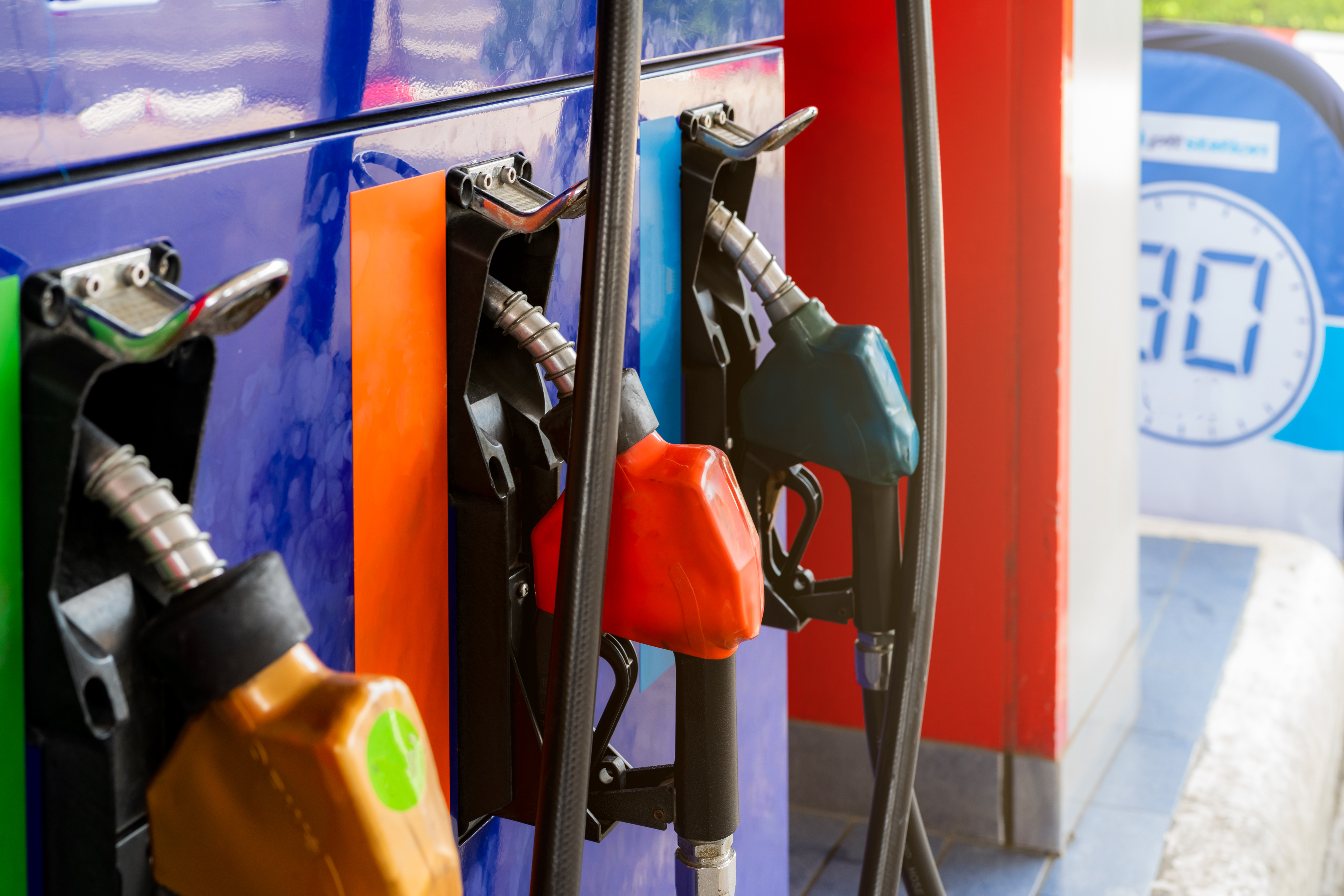
Gas prices are rising again, reaching their highest level in four years on April 28. Around the same time, the United Arab Emirates (UAE) announced it would leave the Organization of Petroleum Exporting Countries (OPEC), signaling plans to increase oil production.
At first glance, more supply should mean lower gas prices. But changes like this rarely lead to immediate relief at the pump.
So why are gas prices rising right now?
Prices are being driven by a combination of factors: ongoing geopolitical tensions in the Middle East, risks to key oil shipping routes, and the time it takes for new supply to reach the market. Even when countries like the UAE plan to increase production, those changes don’t immediately affect consumer prices.
This moment highlights a bigger reality: gas prices are shaped by a complex global system, not just how much oil is produced.
Why the UAE Is Leaving OPEC
Since 1960, OPEC has coordinated oil production among member countries to influence global prices. By setting production targets, the group has attempted to balance supply and demand.
But that influence has been weakening. The UAE’s departure follows years of tension, including disagreements over quotas and uneven enforcement among members. At the same time, rising production from countries like the United States has reduced OPEC’s ability to act as a dominant price-setter.
Tensions between the UAE and Saudi Arabia, OPEC’s de facto leader, also help explain the shift. While once close allies, the two countries have increasingly diverged in both economic strategy and regional priorities.
The UAE’s economy is more diversified than Saudi Arabia’s, making it less dependent on high oil prices and more focused on increasing production and market share. Saudi Arabia, by contrast, has often pushed for tighter supply controls to support higher prices. These differences have created friction within OPEC and made coordination more difficult.
A broader trend is emerging: Gulf states are no longer moving in lockstep, but instead pursuing their own economic and geopolitical priorities. As OPEC’s cohesion weakens, markets can become more sensitive to disruption and contributing to today’s price volatility.
Why More Oil Doesn’t Mean Lower Gas Prices
Even if the UAE produces more oil, it won’t lower gas prices right away. Oil still needs to be produced, refined, and transported before it reaches consumers.
This delay is one reason prices can remain elevated, even when supply increases are expected. Energy markets respond not just to current supply, but to expectations, risks, and timing.
How Global Trade Routes Affect Gas Prices
A significant portion of the world’s energy supply travels through narrow maritime chokepoints like the Strait of Hormuz, one of the most critical oil transit routes in the world.
Disruptions, whether from conflict, political tensions, or security threats, can restrict supply and drive up prices regardless of how much oil is being produced. Recent instability in the region, including tensions involving Iran and threats to shipping lanes, has heightened these risks.
When key routes are threatened, even temporarily, markets react quickly, often pushing prices higher.
What to Watch Going Forward
While the UAE may increase production, relief at the pump will take time. Gas prices are influenced by a web of global factors, from trade routes to geopolitical tensions, many of which operate far beyond any single country’s control.
The UAE’s decision to leave OPEC is part of that story, but it is not the primary driver of current price increases. Instead, today’s prices reflect a mix of geopolitical risk, supply constraints, and the lag between production decisions and real-world impact.
Understanding these broader dynamics can help explain why prices rise and fall, and why changes don’t always happen as quickly as headlines suggest.
To explore how energy, geopolitics, and regional dynamics intersect, visit The Policy Circle’s Foreign Policy: Middle East Brief for a deeper look at the forces shaping this critical region.


