
Cryptocurrencies are reshaping our understanding of money and value—but unlike traditional currencies issued by governments, cryptocurrencies originate from a diverse range of sources. Developers, private companies, nonprofits, and decentralized communities all play a role in creating and managing digital assets.
Understanding who issues a cryptocurrency can help you make smarter choices about which ones to trust, use, or invest in. Here’s a breakdown of who’s behind the most popular cryptocurrencies today.
DECENTRALIZED DEVELOPERS AND OPEN COMMUNITIES
Some of the world’s most recognized cryptocurrencies, like Bitcoin and Ethereum, aren’t issued by governments or companies. Instead, they’re created by open-source communities and run on decentralized blockchain networks.
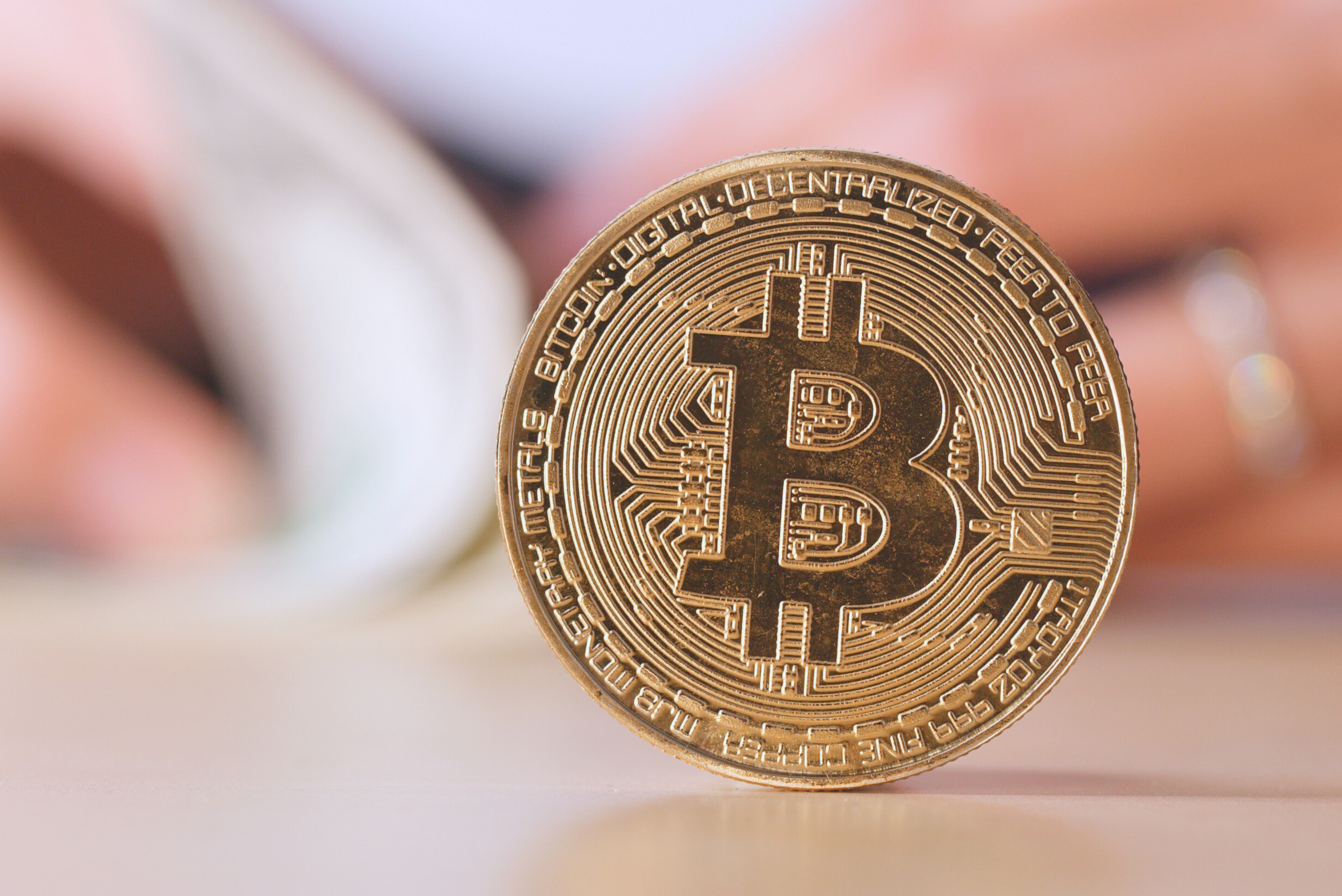
- Bitcoin (BTC): Launched in 2009 by a pseudonymous creator named Satoshi Nakamoto, Bitcoin is not owned or controlled by anyone. Its development is open to contributors worldwide, and its operations are maintained by a decentralized network of miners.
- Ethereum (ETH): Proposed in 2013 by Vitalik Buterin, Ethereum powers smart contracts and decentralized apps. It’s supported by the nonprofit Ethereum Foundation, and maintained by a global network of validators and developers.
These decentralized projects usually begin with a white paper (a document explaining their purpose and design) and rely on community participation to grow and evolve.
PRIVATE COMPANIES AND STABLECOINS
Some cryptocurrencies, especially stablecoins, are issued by private companies for specific business or financial purposes.
- Ripple Labs, for example, issues XRP, which facilitates fast, cross-border transactions between banks.
- PayPal (PYUSD) and Circle (USDC) issue stablecoins that are pegged to the U.S. dollar, meaning they’re designed to always equal $1 USD.
- In the future, companies like Amazon or Walmart could issue their own stable digital tokens – imagine an “AmazonCoin” for use within their shopping ecosystem.
WHAT DOES “PEGGED” TO THE U.S. DOLLAR MEAN?
A pegged coin, like USDC or PYUSD, is a type of stablecoin that holds its value equal to $1 USD. To maintain this peg, companies typically hold reserves, such as cash or short-term U.S. Treasury securities, to back every digital coin issued. This makes them ideal for everyday payments or saving, without the wild price swings common to cryptocurrencies like Bitcoin.
NONPROFITS AND A DAO (DECENTRALIZED AUTONOMOUS ORGANIZATION)
A growing number of cryptocurrencies are issued by nonprofits or Decentralized Autonomous Organizations (DAOs), community-governed systems that operate by consensus and smart contracts.
DAI is a stablecoin pegged to the U.S. dollar, but it’s not backed by actual dollars in a bank account. Instead, DAI is:
- Crypto-backed: Users lock up other cryptocurrencies (like ETH) in smart contracts to generate DAI.
- Governed by a DAO: A community-run organization called MakerDAO sets the rules and parameters through democratic voting.
DAI is widely used on decentralized finance (DeFi) platforms such as Aave, Compound, and Uniswap, offering a digital dollar alternative that does not rely on a traditional bank or company.
HOW TO RESEARCH WHICH CRYPTOCURRENCIES TO TRUST
With thousands of cryptocurrencies on the market, it’s important to do your homework before using or investing in one. Here’s a guide to get you started:
1. Understand the Process
- Is it built for payments, smart contracts, NFTs, or something else?
- Read the project’s whitepaper or visit its official site.
2. Check Who’s Issuing It
- Is it run by a private company? A nonprofit? A decentralized community?
- Research the individuals or organizations behind the project.
3. Look for Transparency
- Is the code open-source?
- Are audits and reserve reports available (especially for stablecoins)?
- Trustworthy projects publish their data and undergo third-party reviews.
4. Assess Community and Market Activity
- Tools like CoinMarketCap or CoinGecko can show real-time data.
- Join conversations on Reddit, Twitter/X, or Discord to see what real users are saying.
5. Evaluate the Risk
- Cryptocurrencies carry market, technical, and regulatory risks.
- Use trusted resources like NerdWallet’s Crypto Guide or Investor.gov’s Crypto Tips to learn how to protect yourself.
FINAL TAKEAWAY: CHOOSE WHAT ALIGNS WITH YOUR GOALS
Whether you’re exploring stablecoins like DAI for everyday use or utility tokens like ETH for deeper participation in DeFi, the most important step is to match your financial goals with the right kind of cryptocurrency, and support that decision with solid research.
Cryptocurrency isn’t just about price speculation. It’s about building tools and systems that empower individuals and communities. And knowing who issues the coin helps you understand why it exists and how it works. Follow up with The Policy Circle’s Future of Money Insight.


