
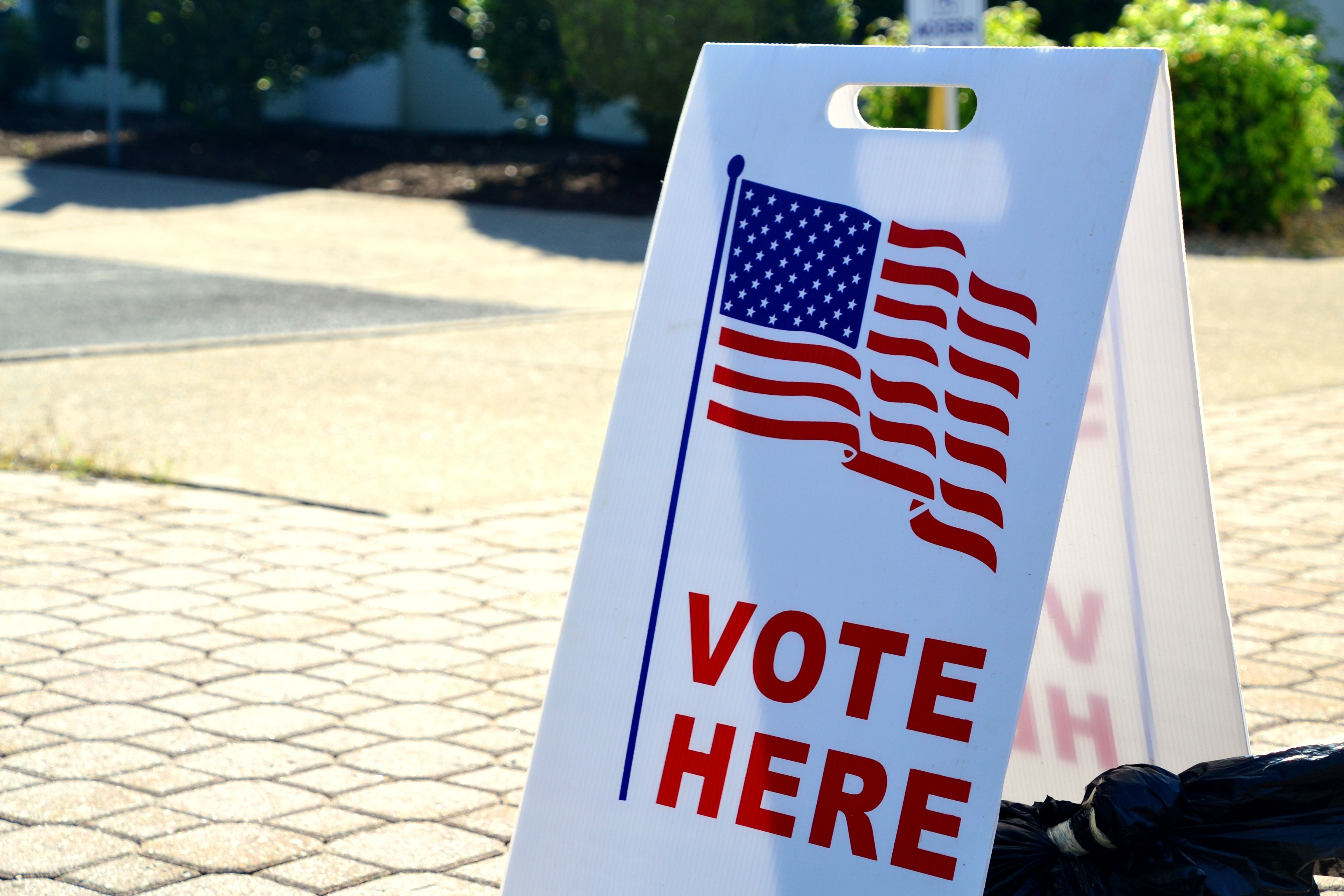
The Safeguard American Voter Eligibility Act, also known as the SAVE America Act, has recently become a focus of debate in Washington. The legislation passed the House of Representatives in February and is now in the Senate. Debate intensified recently after President Donald Trump said he would not sign legislation until Congress passed the bill.
Because the SAVE America Act touches on several complex questions about voter registration and election administration, many people are asking what it would actually do. Below are answers to some of the most common questions.
KEY QUESTIONS ABOUT THE SAVE AMERICA ACT
WHAT IS THE SAVE AMERICA ACT?
The Safeguard American Voter Eligibility (SAVE America) Act is proposed federal legislation that would require individuals to provide proof of U.S. citizenship when registering to vote in federal elections.
Under current federal law, voters must attest to their U.S. citizenship when registering to vote. The SAVE America Act would change this by requiring voters to submit documentation of their citizenship as part of voter registration. The SAVE America Act also includes provisions related to voter verification procedures and election administration policies, such as voter identification and voter eligibility verification.
Supporters say the bill would strengthen election integrity by ensuring that only eligible citizens register to vote. Critics argue that the new documentation requirements could create barriers for some eligible voters who do not have easy access to citizenship documents.
Although the legislation focuses on federal elections, many experts note that changes to federal voter registration rules could affect how states administer elections more broadly.
WHAT IS THE DIFFERENCE BETWEEN THE SAAVE ACT ADN THE AVE AMERICA ACT?
While colloquially referred to as the SAVE Act (H.R. 22) and the SAVE America Act (H.R. 7296/S. 1383), these related pieces of legislation both address election administration and share the name Safeguard American Voter Eligibility Act.
The SAVE Act focuses specifically on voter registration and documentary proof of U.S. citizenship to register to vote in federal elections. After it stalled in the Senate last year, the House introduced the expanded SAVE America Act (H.R. 7296) in January 2026. In addition to proof of citizenship requirements, it also touches state verification processes and election administration policies.
Most of the language from the SAVE America Act was later inserted into S. 1383, a Senate bill originally introduced on a different topic. This procedural step allowed the House to replace the original text of S. 1383 with the SAVE America Act language. The amended bill passed the House on February 11, 2026, and is now awaiting consideration in the Senate.
Because the SAVE America Act builds on and expands the earlier SAVE Act proposal, the two terms are sometimes used interchangeably in media coverage.
WHAT DOCUMENTS WOULD BE REQUIRED TO PROVE CITIZENSHIP UNDER THE SAVE AMERICA ACT?
Under the SAVE America Act, voters registering to vote in federal elections would need to provide documentary proof of U.S. citizenship. Examples of documents that serve as evidence of citizenship include:
- U.S. birth certificate
- U.S. passport
- Consular Report of Birth Abroad
- Certificate of Citizenship
- Naturalization certificate
These documents confirm that a person is a U.S. citizen, unlike other forms of identification like REAL IDs that only confirm legal presence. In some cases, voters may also need to provide additional documents if their legal name has changed. For example, they may need a marriage certificate if the name on their birth certificate differs from their current identification.
HOW WOULD THE SAVE AMERICA ACT AFFECT MAIL-IN OR ABSENTEE VOTING?
The SAVE America Act could change how some voters participate in mail-in or absentee voting, depending on how states implement the law.
One provision would require voters who register by mail to present documentary proof of citizenship in person at an election office, rather than submit documents solely by mail. The same may apply to voters requesting or returning absentee ballots.
These requirements could make some voting procedures more complex compared with current systems in many states, which often rely on signature verification or other identification methods. Supporters argue these steps would improve voter eligibility verification, while critics say they could make absentee voting more difficult for some eligible voters.
HOW IS CITIZENSHIP VERIFIED WHEN PEOPLE REGISTER TO VOTE TODAY?
Today, most states verify voter eligibility through a combination of self-attestation and administrative checks.
Typically when individuals register to vote, they must attest under penalty of perjury that they are citizens. States maintain voter registration lists and periodically review them to identify those who may not be eligible to vote. Some states use federal databases, while others use different verification processes, and election officials are responsible for maintaining voter rolls and investigating potential discrepancies.
The SAVE America Act would introduce a more uniform federal requirement by requiring documentary proof of citizenship at the time of voter registration.
WHAT ARE THE MAIN ARGUMENTS FOR AND AGAINST THE SAVE AMERICA ACT?
The debate over the SAVE America Act generally focuses on two competing priorities: election security and ease of voting access.
Supporters argue that requiring documentary proof of citizenship would strengthen election integrity and help ensure that voter registration rolls contain only eligible voters.
Critics argue that the requirement could make it harder for some eligible citizens to register if they do not have ready access to documents proving citizenship. Studies cited in discussions of the bill suggest that some eligible voters may lack immediate access to documents, such as birth certificates or passports.
Other concerns raised include the administrative burden on election officials and the need for states to update voter registration systems. As with many election policies, policymakers and researchers debate how to balance security, accessibility, and administrative feasibility.
DO STATES OR THE FEDERAL GOVERNMENT RUN ELECTIONS IN THE UNITED STATES?
States are primarily responsible for administering elections. They set most of the rules for voter registration, voting procedures, and election administration. State and local election officials typically manage voter registration lists, polling locations, and ballot counting.
However, the federal government can establish certain nationwide requirements for federal elections through legislation. Federal laws, such as the National Voter Registration Act and the Help America Vote Act, set minimum standards that states must follow.
Because states usually conduct federal and state elections at the same time, federal election laws can influence how states run elections overall. The SAVE America Act would be one such example.
CONCLUSION
Understanding proposals like the SAVE America Act can help citizens better navigate how elections work. Because elections are primarily administered by states but shaped by federal election laws, changes in the latter influence voter registration systems and election administration nationwide.
To learn more about how election policies work and how federal and state laws interact, explore The Policy Circle’s Election Processes and Innovations Brief and Civic Engagement Brief, designed to help readers understand the policies shaping our democratic processes.


