
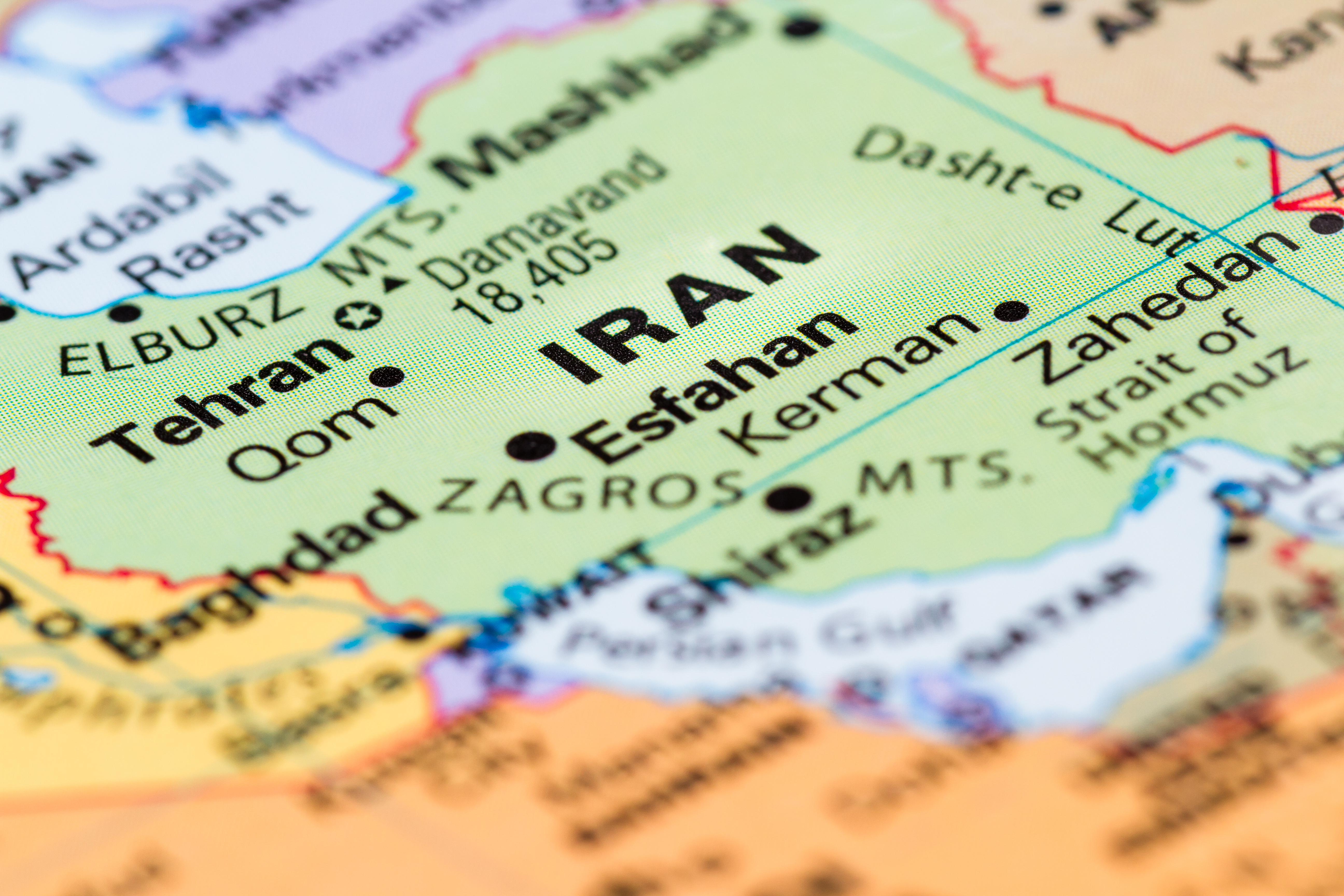
The Middle East conflict has entered a critical new phase. After 38 days of fighting involving the United States, Israel, and Iran, a temporary two-week ceasefire was announced on April 7. While this pause in fighting offers a moment of relief, the situation remains highly unstable.
WHAT’S HAPPENING IN THE MIDDLE EAST RIGHT NOW
The headlines have shifted from active bombardment to a tense diplomatic waiting game. The 14-day ceasefire was mediated by Pakistan and official peace talks are scheduled in Islamabad for April 10. Key dynamics include:
- The Nuclear Ultimatum: The U.S. has issued a stark demand: Iran must hand over its enriched uranium or the U.S. will “take it out”. President Trump claims Iran has already agreed to cease all uranium enrichment and allow the U.S. to “dig up and remove” deeply buried nuclear material.
- Reopening the Strait of Hormuz: A central condition of the truce is the “complete, immediate, and safe opening” of this vital waterway. While initial ship movements have been detected, hundreds of tankers remain stranded as shipping companies wait for insurance guarantees and clearer safety protocols.
- The War in Lebanon Escalating: Critically, the Israeli government has clarified that this ceasefire does not include Lebanon. Consequently, the Israeli Defense Forces (IDF) launched its largest wave of strikes against Hezbollah targets in Lebanon since the war began, hitting 100 targets in just 10 minutes.
HOW TO UNDERSTAND IT
To make sense of this “fragile truce,” look at these evolving factors:
- Regime Change Claims vs. Reality: While the U.S. has claimed the Iranian regime is “degraded,” it appears to remain intact under the new Supreme Leader, Mojtaba Khamenei.
- Economic Relief Rally: The ceasefire triggered a market response. Oil prices plunged 15%, the largest daily drop since the pandemic, with crude oil falling below $100 a barrel. Global stock markets surged as investors bet on a de-escalation of the energy crisis.
- Fragility of the Truce: Even as talks begin, violence continues. Explosions were reported at Iran’s Lavan Island refinery hours after the announcement, and Kuwait’s military reported engaging 28 Iranian drones despite the ceasefire.
WHY IT MATTERS
These events affect daily life far beyond the region. The spike in U.S. gasoline prices since the war began may finally stabilize if the Strait of Hormuz remains open. However, the humanitarian cost remains staggering with reports of over 1,600 civilians killed in Iran and 1,500 in Lebanon.
HOW TO USE THIS IN YOUR CIRCLE
You don’t need to be an expert to start engaging with these issues. In fact, one of the most effective ways to build understanding is through conversation.
To support that, The Policy Circle has created a Middle East Discussion Guide designed for small-group dialogue.
A few questions from the guide to get started:
- What interests should guide U.S. involvement in the Middle East today?
- What are the trade-offs between military engagement, diplomacy, and restraint?
- How do developments in the Middle East affect economic stability and daily life in the United States?
These questions are meant to help you explore different perspectives and connect policy to real-world impact.
WHERE TO FOLLOW THE ISSUE
If you’re looking for thoughtful, in-depth coverage beyond daily headlines, Aaron MacLean at The Free Press offers analysis on U.S. foreign policy, military strategy, and geopolitical decision-making. He also hosts the School of War podcast features conversations with historians and policy experts that break down how conflicts evolve and how decisions are made.
You may also find value in outlets like The Wall Street Journal, Financial Times, and BBC, which provide ongoing reporting and global context.


