
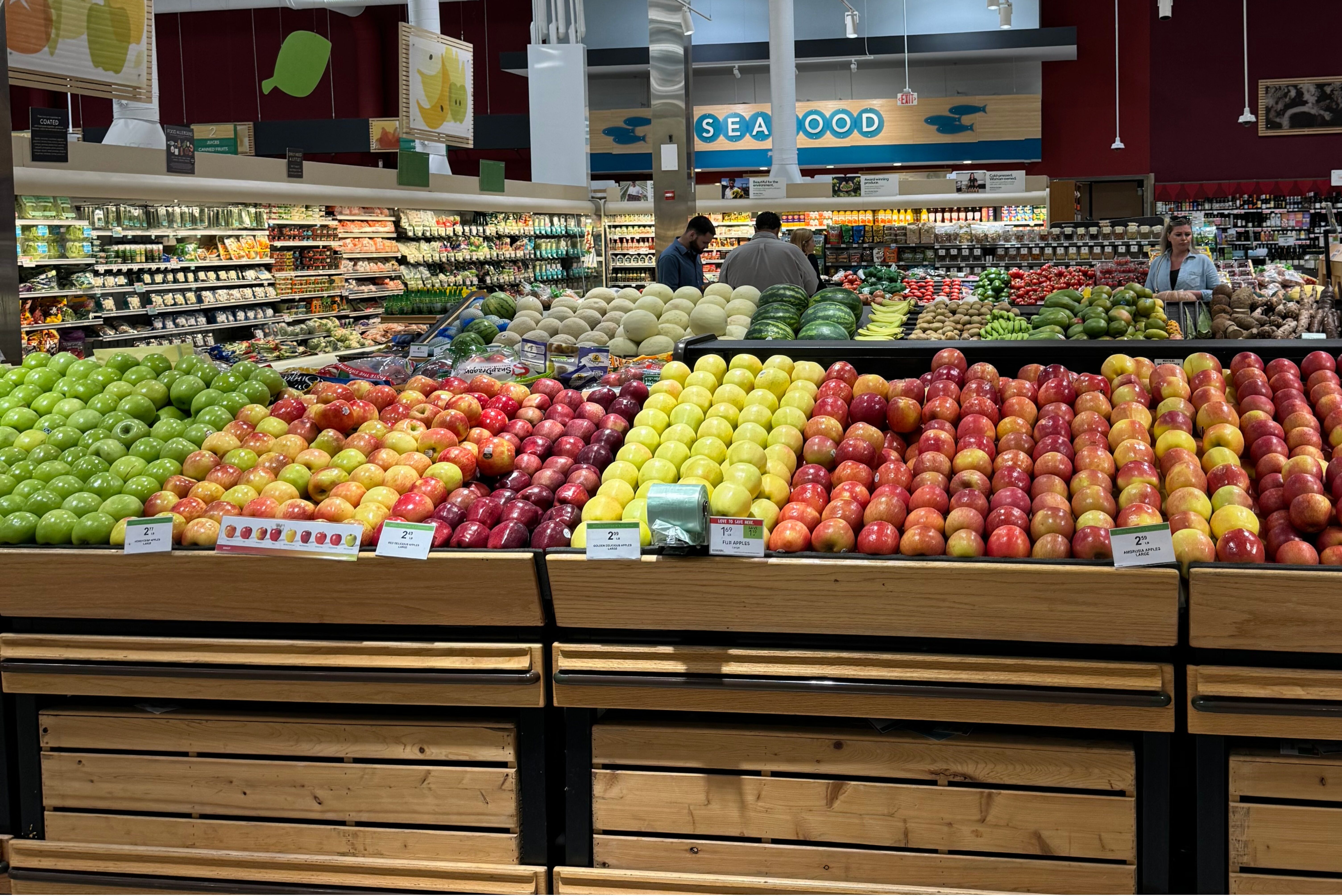
For many households, grocery shopping feels more expensive than ever. Inflation, supply chain challenges, and global trade pressures have pushed food prices higher across the board. Shoppers notice it at checkout, even if they can’t always pinpoint why.
At the same time, some stores are beginning to experiment with dynamic pricing, instantly adjusting prices with real-time fluctuations in factors like demand, timing, and inventory. It’s the kind of change that tends to raise eyebrows, especially when prices tick up. But when those same systems lead to discounts, marking down meat at the end of the day or lowering prices on overstocked items, most shoppers don’t think twice.
Maryland’s new Protection from Predatory Pricing Act is restricting how grocery stores use dynamic pricing technologies. It’s intended to shield consumers from unexpected price increases, but it will do the same for decreases. As other states consider similar policies, it raises a key question: Is this the right problem to target, or a reaction to the most visible one?
Understanding Digital Pricing Models
New technology is changing how prices are set, sometimes in ways shoppers don’t see. Dynamic pricing generally refers to prices that adjust instantly in response to supply and demand, inventory levels, or competitor pricing. It’s increasingly made possible by tools like electronic price tags and real-time data analytics.
A separate concept, sometimes called surveillance pricing, goes a step further by using individual consumer data, such as browsing behavior or location, to tailor prices to a specific person.
Both rely on similar technology, but they raise very different questions. One is largely about how markets function; the other touches more directly on concerns around fairness, privacy, and transparency.
Economic Perspectives on Price Controls
Maryland’s law requires grocery prices to remain fixed for at least 24 hours to create stability for consumers. Some economists caution that limiting price flexibility can have unintended consequences. Prices are signals that reflect supply and demand; when those signals are restricted, markets may adjust in other ways, which include shortages.
Dynamic pricing can offer potential benefits. For example, lowering prices on perishable items as they near expiration may reduce food waste, and adjusting prices during off-peak hours may help distribute demand more evenly. Policymakers must weigh these potential efficiencies against concerns about fairness and transparency.
Inflation and Pricing Practices
Rising grocery bills have understandably raised concerns about affordability. While pricing strategies often draw scrutiny, most price increases are tied to broader forces like inflation, supply chain disruptions, and global market conditions, not shifts in how stores set prices.
Grocery retail is also one of the most competitive sectors with relatively thin profit margins. Stores have strong incentives to keep prices comparable to competitors because shoppers can easily compare options, whether by visiting another store down the street or checking prices online. If one retailer consistently charges more for the same product, customers are very likely to take their business elsewhere. That competitive pressure limits how much prices diverge and makes sustained price gouging unlikely.
Privacy Considerations and Consumer Data
A key area of concern in the pricing debate is the use of personal data. Surveillance pricing raises questions about how consumer information is collected, analyzed, and applied. When companies have access to detailed data profiles, it can create an imbalance of information between buyers and sellers.
Companies already build digital profiles to target consumers based on browsing history, or even an individual’s suspected income level, to adjust the price an individual sees. Whether it’s food, clothing, or travel, a company can gauge product interest and use that information to create targeted advertising and prices. This has prompted discussion, beyond grocery stores, about data privacy, consent, and whether consumers should be informed when their data influences the prices they see.
Policy Considerations: Balancing Innovation and Consumer Protection
Many states are already looking to end surveillance pricing by targeting industries such as airlines. Maryland’s Protection from Predatory Pricing Act includes a provision that prohibits grocery stores from using personal data to determine prices. Other policy options focus on increasing transparency, including requiring disclosure when prices are influenced by personal data, or strengthening data privacy protections more broadly.
As technology continues to shape markets, policymakers face the challenge of balancing innovation, efficiency, and consumer trust. Ongoing discussion can help identify approaches that support both well-functioning markets and informed consumer choice.
Host a Circle conversation today using our Free Enterprise and Economic Freedom or Economic Growth Policy Circle Briefs.


