
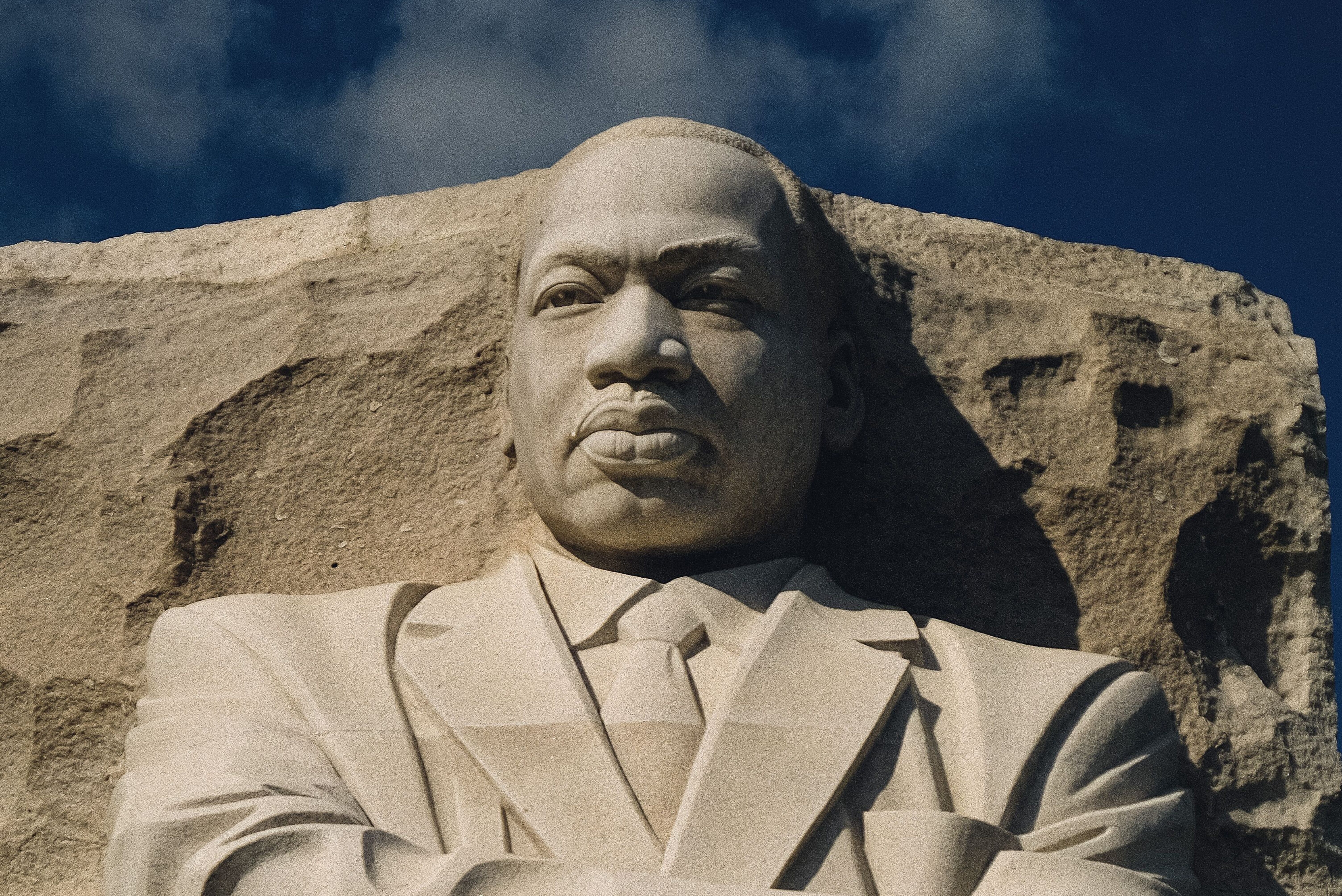
Dr. Martin Luther King Jr. is remembered as one of the most influential leaders in American history, but his impact was never the result of individual action alone. At the heart of King’s leadership was his ability to bring small groups together around shared values to drive meaningful change.
King understood that lasting change depends on people deliberately working together. Throughout the Civil Rights Movement, small, organized groups served as testing grounds for ideas, training spaces for leaders, and the backbone that sustained action under pressure.
SMALL GROUPS THAT SHAPED A MOVEMENT
The Montgomery Improvement Association (MIA), formed in 1955 to lead the Montgomery Bus Boycott following Rosa Parks’s arrest, demonstrates the impact one community can have. Dr. King served as the first president of the MIA, which brought together pastors, women’s organizations, and community members to sustain a year-long boycott to end segregation of Montgomery’s buses. These small-group meetings enabled coordination that helped sustain the boycott until a Supreme Court ruling led to the desegregation of public buses.
The Southern Christian Leadership Conference (SCLC), founded in 1957 by Black ministers and community leaders, further illustrates the importance of convening. Under King’s leadership, the SCLC connected faith leaders across the South, using churches as organizing hubs for nonviolent action. By linking local leaders who were already trusted in their communities, the SCLC helped support and coordinate campaigns that amplified local efforts across the South. Like many coalitions, its influence depended on local partners, and it sometimes faced tension between national visibility and local control.
Students also played a critical role. In late 1959, the Nashville Student Movement was created as Rev. James Lawson began training sessions for students. These trainings focused on nonviolent tactics and strategies that led to major sit-ins at segregated lunch counters. This group produced one of the most disciplined and influential student-led efforts of the era, helping desegregate lunch counters and shape future civil rights leaders.
Building on this momentum, Ella Baker, who was working within the SCLC, convened student activists at Shaw University in 1960. From this gathering, the Student Nonviolent Coordinating Committee (SNCC) emerged to coordinate student-led activism across the South. SNCC emphasized grassroots leadership and empowered local communities through sit-ins and sustained voter registration efforts. By convening young people around shared principles and decentralized leadership, SNCC demonstrated both the promise and the challenges of sustaining long-term civic engagement through grassroots organizing.
CARRYING THE LEGACY FORWARD
The legacy of King and the Civil Rights Movement reminds us that meaningful change does not always start with national platforms or large institutions. It begins when individuals come together around kitchen tables, in living rooms, and in local communities to learn, listen, and act.
Convening remains one of the most powerful tools for strengthening civic life. By creating spaces for thoughtful discussion, policy education, and respectful dialogue, Policy Circles empower individuals to engage with issues that matter and take informed action in their communities. Consider starting with The Policy Circle’s Faith and Civic Life Brief.
This Martin Luther King Jr. Day, we invite you to carry forward King’s legacy by joining or hosting a Policy Circle, engaging in meaningful conversations, and becoming an active participant in shaping the future of your community.


